The Window Scrappage Scheme Explained — Why Most Homeowners Don’t Know They Qualify
Most UK homeowners are sitting on a potential grant and have no idea. That’s not an exaggeration. The window scrappage scheme has been quietly helping people replace old, draughty windows for years, but the awareness is shockingly low.
So let’s break it down properly.
What Is the Window Scrappage Scheme?
Plain and simple, it’s a scheme where your old windows get recycled, and the recovered value from those materials helps fund your replacement. Glass, uPVC, timber, all of it has scrap value. Instead of that money disappearing into a landfill somewhere, it offsets the cost of your new windows.
It’s not a handout. It’s a smart system that uses what you already have.
Government grants for windows and doors often get lumped together with this, which causes confusion. Some funding routes are government-backed. Others run through certified recycling networks. Both exist. Both are real. Don’t let the distinction put you off applying.
Who Actually Qualifies?
Short answer: more people than you’d think.
If your windows are over 10 years old, you’re already in the right category. Add in the fact that you own the property, or even rent it in some cases, and the eligibility window opens up considerably. Double glazing grants for over 60s have specific criteria, but plenty of working-age homeowners qualify for standard routes too.
The property doesn’t have to be falling apart. Even homes with relatively functional but outdated frames can qualify for funding for new windows, especially if the energy efficiency rating is poor.
The Real Cost of Doing Nothing
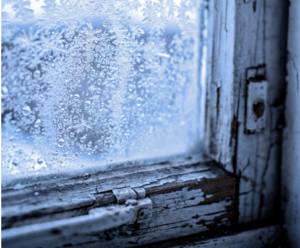
Here’s the thing, old windows don’t just look bad. They bleed heat constantly, and you’re paying for every bit of that energy loss. UK homes with single glazing or aging double glazing lose up to 30% of their heat through windows alone. That’s not a small number on a gas bill.
Free double glazing through a scrappage or recycling scheme isn’t just about getting something for nothing. It’s about stopping a loss that’s already happening, quietly, every single month.
And yes, new windows increase property value. The average uplift from a full window replacement sits around 5–10% of property value, depending on location. So you’re not just saving on bills, you’re building equity.
Scotland, Wales, England — The Rules Are Different
This is where people get tripped up. Government free windows and doors in Scotland follow different criteria than grants for double glazing in England or free windows and doors grant Wales schemes. Each region has its own programs, its own eligibility thresholds, and its own application process.
Don’t assume that because a neighbour in Manchester qualified, the same route applies in Cardiff. It probably doesn’t.
The smarter move is to check your specific postcode against current UK windows and doors funding eligibility criteria. Takes about 60 seconds. No credit check. No obligation.
“Is This Legitimate?”
Fair question. The phrase “free windows and doors grant UK” does sound almost too good. And there are dodgy operators out there using grant language to sell overpriced windows at full cost.
Legitimate schemes are backed by certified recycling facilities and verified installer networks. They don’t ask for upfront payments to check eligibility. They don’t pressure you into signing anything before you’ve seen the full picture.
The window replacement scheme route, done properly, involves a proper assessment, a transparent quote, and a clear breakdown of any remaining contribution before any work starts. If someone’s rushing you, that’s a red flag. Full stop.
Check the installer’s certification before agreeing to anything. FENSA and Trustmark both run free online checks — type in the company name and you’ll know within 30 seconds whether they’re registered.
What Happens to Your Old Windows?
It’s actually straightforward. When your frames are removed, they go to certified recycling facilities, uPVC gets reprocessed, wood gets repurposed, glass goes through a separate glass recycling stream. The recovered value from all of that material feeds back into the cost of your new installation.
This is why the window scrappage scheme government UK model works financially. It’s not magic. It’s a closed-loop system.
And it’s also why the funding amount varies. Older windows with more scrap material, especially larger uPVC frames, can generate more offset than smaller wooden frames. Your specific savings depend on what you’re replacing and where.
How to Actually Apply
Stop overthinking it. If your windows are more than a decade old, the first step is just running an eligibility check. It’s free, it takes a minute, and it tells you immediately where you stand on current grants for replacement windows.
From there, an assessor will contact you, usually within 24 to 48 hours, to walk through which funding routes you qualify for. No hard sell. No upfront cost to find out.
The window and door grants available right now are real. The schemes are running. And the backlog of homeowners who delayed applying isn’t getting shorter.
So if you’ve been sitting on the fence, this is a reasonable moment to jump off it. Whether you need double glazing grants for over 60s or just want to understand how the scrappage model works — the first step is checking if you qualify.
The good news is you can check your eligibility in 60 seconds — no credit check, no obligation. Most homeowners with windows over 10 years old qualify for at least partial funding.
FAQs
Q1: Does the window scrappage scheme cover doors as well?
Yes, in most cases. Many recycling and scrappage-based schemes cover both windows and doors under the same application. uPVC and aluminium doors carry solid scrap value, so they’re often included. Check your eligibility with your full property details, don’t assume it’s windows only.
Q2: Can I apply if I’m renting my home?
It depends on the scheme. Private tenants usually need landlord permission, but some social housing tenants qualify directly. The key thing is not to rule yourself out before checking, the eligibility criteria are broader than most people expect.
Q3: How much of the cost does the scrappage scheme actually cover?
There’s no fixed number, it varies based on the size, material, and age of your existing frames. Larger uPVC installations tend to generate more offset than smaller wooden ones. Some homeowners see very significant reductions. You’ll get a clear breakdown before committing to anything.
Q4: Will the installation disrupt my home?
Not much. A standard window replacement on a typical semi-detached home takes one to two days. Installers remove the old frames, fit the new ones, and clear the site the same day. Most people barely notice it happened.
Q5: What if my windows were replaced recently?
You may still be worth checking. Some schemes consider energy efficiency ratings rather than age alone. If your windows are performing poorly, condensation between panes, draughts, high heating bills, you could still qualify even if they’re not ancient.